
Acupuncture for Anxiety, Stress & Sleep: Nervous System Support
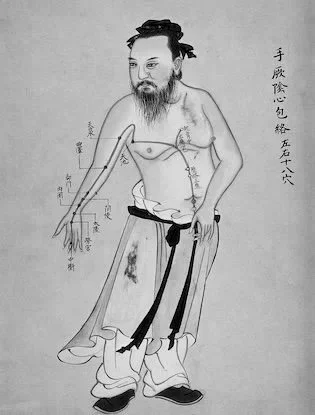
When your mind won’t slow down and your body can’t fully relax, Retreatment Wellness, located in Millcreek, provides personalized acupuncture and nervous-system support to promote greater balance, a calmer nervous system, and more restorative sleep. We support those experiencing anxiety, chronic stress, sleep difficulty, jaw tension, burnout, and fatigue.
When Anxiety and Stress Affect Both Mind and Body
Anxiety and chronic stress do not affect only the mind. The stress response can influence sleep, digestion, muscle tension, energy, concentration, pain, and emotional resilience. When the body has difficulty transitioning out of a heightened state of alert, even quiet moments may not feel genuinely restful.
You may recognize these patterns
Racing or repetitive thoughts
Persistent worry or restlessness
Feeling tense, irritable, or easily overwhelmed
Difficulty falling asleep or staying asleep
Waking tired or unrefreshed
Jaw clenching or grinding
Tightness in the neck and shoulders
Stress-related headaches
Digestive changes during stressful periods
Difficulty concentrating
Feeling exhausted but unable to slow down
Physical or emotional burnout
Stress can interfere with sleep, and insufficient sleep can increase emotional sensitivity, pain sensitivity, and fatigue. As the body becomes more depleted, it may become harder to manage everyday demands, creating a cycle of stress, poor sleep, physical tension, and reduced resilience.
“Nervous-system dysregulation” is a broad wellness term sometimes used to describe difficulty moving comfortably between activation and rest. Someone experiencing this pattern may feel physically tense, mentally overstimulated, emotionally depleted, or “wired but tired.” It is not a formal medical diagnosis, and these symptoms may have multiple possible causes.
How Can Acupuncture Support the Nervous System?
Acupuncture uses thin, sterile needles to stimulate carefully selected points on the body. This physical stimulation interacts with sensory nerves, muscles, fascia, and connective tissue, sending signals toward the spinal cord and brain. These signals may influence autonomic activity, pain-processing pathways, muscle tension, emotional arousal, sleep, and other physiological processes involved in the stress response.
The autonomic nervous system helps regulate functions that happen without conscious effort, including heart rate, breathing, digestion, muscle activity, and the transition between alertness and rest. Its sympathetic branch helps prepare the body for activity or perceived danger, while its parasympathetic branch supports functions associated with rest, digestion, and recovery. Both are necessary; healthy regulation involves being able to respond to a challenge and then move toward recovery when the challenge has passed.
Acupuncture may support nervous-system regulation by influencing sensory signaling, autonomic activity, pain processing, muscle tension, and the transition between alertness and rest.

The Science Behind Acupuncture for Anxiety
Acupuncture may be considered by people experiencing worry, restlessness, racing thoughts, stress-related physical symptoms, or difficulty settling.
Potential goals of care may include:
Creating a greater sense of calm
Reducing physical tension associated with anxiety
Supporting sleep when worry keeps the mind active
Supporting symptoms that intensify during stressful periods
Providing a structured time for rest and body awareness
Acupuncture may provide complementary support for people experiencing anxiety by influencing sensory and pain-processing pathways and physiological processes associated with arousal and relaxation. It may be especially relevant when anxiety occurs alongside physical tension, pain, or disrupted sleep.
What does the research show?
Place all anxiety-specific research here:
The 2026 systematic review
20 randomized trials
1,462 participants
Comparison with sham acupuncture and usual care
Short-term results
Follow-up findings
Study limitations
Minor reported adverse effects
Then include the 2025 generalized anxiety disorder review:
41 randomized trials
3,209 participants
Improvements reported with acupuncture alone and with medication
Low or very low certainty for the primary evidence
Current research suggests that acupuncture may be a helpful complementary option for anxiety symptoms.
How May Acupuncture Help With Chronic Stress?
Acupuncture may support relaxation and recovery while helping address physical concerns aggravated by chronic stress. As stress affects everyone differently, treatment may focus on sleep for one patient, jaw and shoulder tension for another, or fatigue, headaches, pain, or digestive changes for someone else.
What Does the Research Show?
Discuss the proposed mechanisms:
Sensory stimulation through the skin and muscles
Autonomic nervous-system signaling
Pain modulation
Muscle release
Neurochemical activity
Physiological arousal
Heart-rate variability
Possible effects on stress-hormone rhythms
How chronic stress affects the body
When the brain perceives a challenge, the autonomic nervous system and hypothalamic-pituitary-adrenal axis help prepare the body to respond. These systems influence heart rate, breathing, muscle activity, digestion, sleep, and hormones such as cortisol. Short-term activation is normal, but ongoing stress without sufficient recovery can contribute to persistent tension and exhaustion.

How may acupuncture support better sleep?
Acupuncture may support people experiencing difficulty falling asleep, frequent waking, early-morning waking, light or restless sleep, or waking without feeling restored. Treatment is personalized according to the physical and emotional factors interfering with sleep.
Sleep Difficulty Can Have Different Patterns
Some patterns may include:
Difficulty falling asleep
Frequent nighttime waking
Early waking
Light or restless sleep
Stress-related dreams
Waking tired
Sleep interrupted by pain
Sleep affected by anxiety
Sleep affected by jaw clenching
Sleep changes associated with hormonal transitions
For one patient, the primary concern may be racing thoughts at bedtime. For another, it may be pain, physical restlessness, temperature changes, or repeated waking. Acupuncture points are selected according to the individual pattern rather than using one standard treatment for every sleep concern.
The science behind acupuncture for sleep
Explain the proposed pathways:
Autonomic nervous-system activity
Physiological arousal
Pain reduction
Anxiety reduction
Neurotransmitters involved in sleep and mood
Possible influence on cortisol and melatonin rhythms
The relationship between physical tension and sleep disruption
What does the research show?
A 2025 systematic review found that acupuncture was associated with improvements in subjective sleep quality and insomnia symptoms.
The National Center for Complementary and Integrative Health cites a review of 11 studies involving 775 participants. The review suggested that acupuncture may improve insomnia.
Acupuncture for Jaw Tension and Clenching
Stress does not always feel like worry. For many people, it appears physically as jaw clenching, teeth grinding, facial tightness, or discomfort extending into the temples, neck, and shoulders. Acupuncture may help relieve muscular tension and support pain regulation when these concerns are associated with stress, overuse, or temporomandibular-area discomfort.
Why Can Stress Contribute to Jaw Tension?
The muscles responsible for chewing may remain partially contracted during periods of concentration, emotional strain, or heightened alertness. Some people clench their jaw during the day without realizing it, while others grind or press their teeth together during sleep.
This repeated muscle activity may contribute to:
Tight or tired jaw muscles
Tenderness around the cheeks or temples
Difficulty opening the mouth comfortably
Tension extending into the neck and shoulders
Headaches associated with facial or muscular tension
Jaw discomfort that feels worse during stressful periods
How May Acupuncture Help With Jaw Tension?
Acupuncture may be used to address both the area of discomfort and the broader pattern associated with it. Treatment may include carefully selected points around the jaw, face, temples, neck, and shoulders, along with points elsewhere on the body.
Treatment goals may include:
Reducing tension in overworked jaw and facial muscles
Modulating pain signals
Addressing associated neck and shoulder tension
Supporting relaxation when stress contributes to clenching
Addressing headaches associated with muscular tension
Supporting sleep when nighttime clenching or grinding is a concern
Acupuncture stimulates sensory nerves and tissues in and around the treated muscles. These signals may influence pain-processing pathways and reduce muscle guarding, the protective tension that can continue even after the original stressor has passed.
If jaw tension contributes to headaches, learn more about acupuncture for Headache & Migraine.

What Does the Research Show?
Acupuncture has been studied as one of several nonpharmacological approaches for pain associated with temporomandibular disorders. Some studies and clinical reviews suggest that it may help reduce pain and muscle tenderness for certain patients. It is most accurate to describe acupuncture as a complementary option for muscular jaw pain and TMJ-related discomfort
Acupuncture Support for Burnout and Fatigue
Burnout can leave you feeling physically depleted, mentally overwhelmed, and unable to recover fully—even when you have time to rest. Some people feel exhausted throughout the day but become restless or alert at night, creating the familiar experience of feeling “wired but tired.”
Acupuncture cannot remove the responsibilities, workplace conditions, caregiving demands, or life circumstances contributing to burnout. It may, however, provide complementary support for concerns that commonly occur alongside prolonged stress, including poor sleep, physical tension, headaches, pain, and difficulty transitioning into rest.
How May Acupuncture Support Burnout and Fatigue?
Acupuncture treatment may focus on the factors interfering with rest and recovery rather than promising to create energy directly.
Depending on the patient, treatment may aim to:
Support more restorative sleep
Reduce physical tension and pain
Create a greater sense of calm
Support the transition from activity into rest
Address headaches or digestive concerns associated with stress
Provide a consistent period for stillness and recovery
Acupuncture also gives patients a structured period in which they can step away from work, notifications, responsibilities, and external demands. While this restorative environment is not a cure for burnout, it can be a meaningful part of a broader recovery plan.
Understanding Burnout, Fatigue, and Recovery
Burnout is commonly associated with prolonged occupational or personal stress, but it is not the only possible explanation for fatigue. Fatigue may also be influenced by insufficient sleep, anxiety, pain, hormonal changes, nutritional deficiencies, infection, medication effects, thyroid disorders, anemia, sleep disorders, and other medical conditions.
This is why treatment should begin by considering the complete pattern rather than assuming that every experience of exhaustion is caused by stress.
What Does the Research Show?
Emerging research suggests that acupuncture may be a valuable part of burnout recovery. A recent meta-analysis examined 21 studies of acupuncture, mindfulness, and yoga, including six studies specifically focused on acupuncture. The researchers found that all three approaches were associated with reductions in burnout. Within the acupuncture studies, treatment programs lasting approximately four to eight weeks were associated with beneficial results.
These findings are encouraging because they examine burnout directly rather than applying research from an unrelated health condition.
Enhance Your Treatment With Acupuncture + Sound Bath

Acupuncture + Sound Bath combines personalized acupuncture with an immersive crystal singing-bowl experience. While you rest with the needles in place, layered tones and vibrations create a calming sensory environment designed to help the mind settle and the body relax more fully into the treatment.
Why combine acupuncture and sound meditation?
Acupuncture and sound meditation engage relaxation through different sensory pathways. Combining them creates a more immersive treatment experience that may make it easier to disengage from mental activity, become present, and settle into rest.
Potential benefits:
A deeper sense of relaxation
Less attention directed toward racing thoughts
Increased mindfulness and present-moment awareness
Physical release of held tension
A more immersive meditation experience
Support for transitioning from activity into rest
For patients who find it difficult to become still or quiet the mind, the combined experience may feel more deeply restorative than acupuncture alone.
Acupuncture is Highly Effective for the Treatment of Anxiety

The latest research shows that acupuncture is a promising treatment for anxiety. A key study, The Acupuncture Evidence Project, published in 2017 by Dr. John McDonald and Dr. Stephen Janz, reviewed a wealth of clinical data and confirmed that acupuncture is moderately effective in treating anxiety. This study built upon earlier reviews and found strong evidence supporting acupuncture’s benefits.
For example, a 2016 systematic review of over 400 patients found that acupuncture produced significant improvements in anxiety, outperforming conventional treatments. The largest of these studies, which included 120 patients, revealed that acupuncture had a much larger impact on reducing anxiety and depression compared to standard treatments like medication and therapy—showing more than twice the reduction in symptoms.
In a more recent 2018 review, which included 13 studies, all found that acupuncture led to a decrease in anxiety levels compared to control groups, including studies that used pharmaceutical treatments as a baseline. This growing body of research supports acupuncture as a highly effective and natural option for managing anxiety.
Research shows that anxiety affects anywhere from 1% to 30% of people worldwide. It’s a condition that can look very different from person to person, with 13 different types of anxiety disorders recognized by mental health professionals. Symptoms can range from feeling short of breath and your heart racing, to more intense experiences like panic attacks, chronic headaches, body aches, and even trouble sleeping.
Anxiety is a complicated and widespread condition that often disrupts daily life. While medication is commonly prescribed to manage it, there are also alternative treatments, like acupuncture, that may help bring relief and restore balance to both the mind and body.

The autonomic nervous system (ANS) plays a key role in maintaining the body's balance and well-being. It consists of two branches: the sympathetic nervous system (SNS), which triggers the body's "fight or flight" responses, and the parasympathetic nervous system (PNS), which promotes relaxation and recovery. These two systems work together to regulate vital functions, such as heart rate and blood pressure, depending on the situation. For example, the SNS ramps up heart rate and energy, while the PNS slows the heart rate and lowers blood pressure.
What’s exciting is that research shows acupuncture can influence both the SNS and PNS, helping to restore balance in the body’s stress response.
One of the most revealing signs of the body’s ability to handle stress is Heart Rate Variability (HRV). Unlike a metronome, the heart doesn’t beat in a perfectly steady rhythm. Instead, it fluctuates based on the body’s response to the environment. A higher HRV is linked to better overall health, including mental well-being and lower anxiety levels. Studies have shown that acupuncture can improve HRV, helping the body cope with stress more effectively.
When a person experiences stress, the brain's hypothalamus releases chemicals to help the body respond. Research indicates that acupuncture can help calm this stress response, easing the body’s physical reactions to stress.
Additionally, acupuncture has been shown to stimulate the release of endorphins, the body's natural "feel-good" chemicals. These endorphins help regulate stress responses, including pain, heart rate, blood pressure, and digestive function—further supporting the idea that acupuncture can help reduce anxiety.