
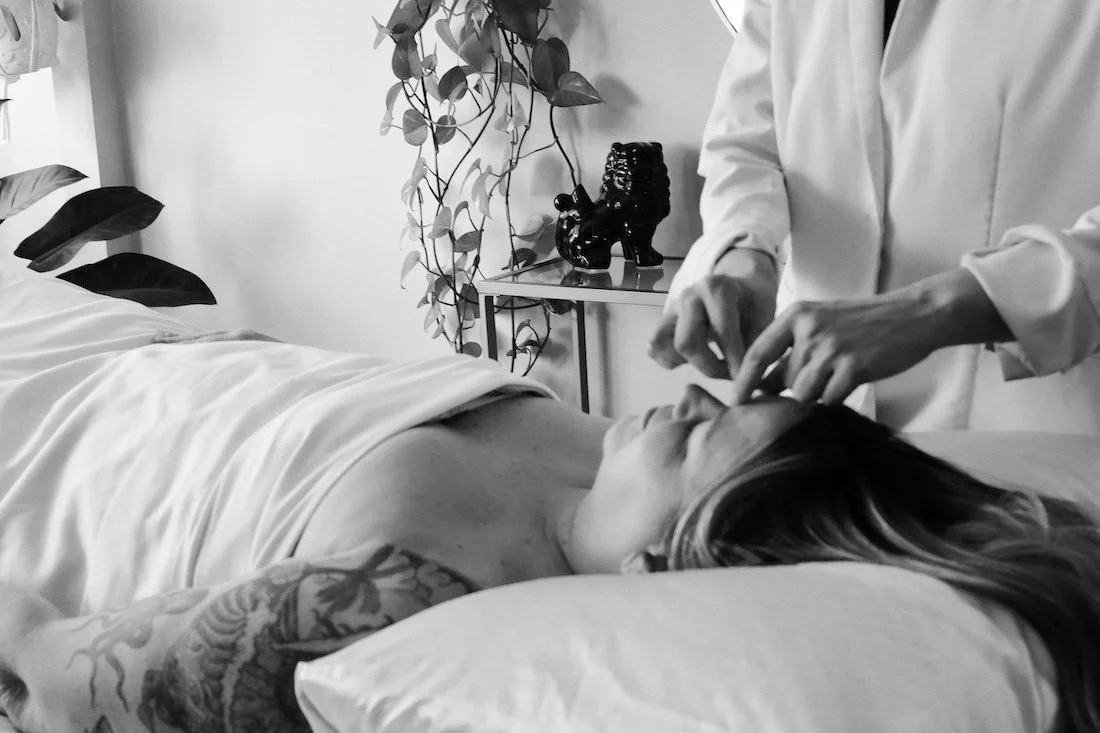
Natural Migraine & Headache Relief with Acupuncture
Evidence-informed acupuncture located in Salt Lake City | Millcreek, for those seeking a complimentary and holistic, non-pharmaceutical approach to recurring headaches and migraines.
What if feeling better just means showing up and relaxing for an hour? Yes - it’s that simple. The needles are painless and most people enjoy the treatment more than they can imagine, leaving with a feeling like floating on air or like they had the best nap of their lives.
Retreatment Wellness is a calming, restorative clinic for individualized, one-on-one care - an affordable medical concierge.

Happy Patients & Proven Results
Answers to your Questions about
How to Reduce Headaches & Migraines Naturally
-

Does Acupuncture Work to Treat Headaches & Migraines?
-

Can Acupuncture Prevent Headaches & Migraines?
-
Is Acupuncture Safe with Migraine Medication?
-
How Many Acupuncture Treatments Does it Take to Feel Better?
-
Does Acupuncture Help the Side Effects of Headaches & Migraines?
-
Why Choose Retreatment Wellness for Headache & Migraine Acupuncture?

Does Acupuncture Work to Treat Headaches & Migraines? Research Shows - It Works!
Yes. If migraines or recurring headaches are interfering with your work, sleep, exercise, family life, or sense of wellbeing, you may be looking for more than temporary relief. At Retreatment Wellness in Millcreek, Utah, acupuncture offers a gentle, non-pharmaceutical approach. It is a well-researched complementary therapys for migraine prevention. And it’s been used for thousands of years with people reporting relief. This medicine persists because it works!
At Retreatment Wellness, we are evidence informed and love examining research as a way of guiding our practice. But research and studies only confirm what we see in our clinic every day and with hundreds of patients: Acupuncture improves lives!
A major 2025 systematic review and meta-analysis examined 23 randomized controlled trials involving 2,295 patients with migraine.
Researchers found that acupuncture was associated with:
Fewer migraine attacks
Fewer migraine days per month
Shorter migraine duration
Improvements in migraine-related quality of life
The researchers concluded that acupuncture was significantly associated with reductions in migraine duration, migraine attacks and migraine days, while also improving quality of life. As with all areas of medical research, they noted limitations in the existing studies and called for additional rigorous trials.
The Cochrane Collaboration, one of the most respected organizations for evaluating medical evidence, reviewed 22 clinical trials involving nearly 5,000 participants. In studies comparing acupuncture plus usual care with usual care alone, approximately 41% of people receiving acupuncture experienced at least a 50% reduction in headache frequency, compared with 17% receiving usual care alone.
The Cochrane reviewers concluded that acupuncture can be considered a treatment option for migraine prevention.
More recent research continues to strengthen the case. A 2025 meta-analysis comparing acupuncture with conventional migraine-prevention medications analyzed 19 randomized controlled trials involving 2,296 patients. Acupuncture was associated with improvements in migraine frequency, migraine intensity, number of migraine days and migraine duration. Researchers also reported fewer adverse events with acupuncture.
For people who would prefer to explore non-pharmaceutical migraine treatment, acupuncture represents an increasingly well-researched complementary option.
At Retreatment Wellness, patients typically experience meaningful relief in as few as 3 treatments, with long term benefits after 3 months of treatment.
The benefits are more than just reduced migraine and headache pain. Patients also experience improved sleep, digestion and mood regulation.
Can Acupuncture Prevent Headaches & Migraines? Studies Show - It Works!

One of the most important distinctions in studies about the benefits of acupuncture, is that acupuncture is also successful for headache and migraine prevention.
The goal of a course of acupuncture is to help reduce the overall burden migraines place on your life.
Depending on the individual, meaningful progress may include:
Fewer migraine days
Less frequent headache attacks
Reduced headache intensity
Shorter migraine episodes
Improved ability to function during or between episodes
Better quality of life
Less disruption to work, family life, sleep and exercise
This is why acupuncture is generally approached as a series of treatments rather than a one-time intervention.
Acupuncture prevents headaches in a number of ways including:
Reducing Inflammation
Regulating the Autonomic Nervous System for Improved Cardiovascular Function
Quieting Pain Signals
Relaxing Tight Muscles
Improving Digestion and Signaling in the Gut / Brain Axis
Easing Stress & Calming the Mind

Is Acupuncture Safe with Migraine Medication?
Yes. Acupuncture is commonly used as a complementary treatment, meaning it can be incorporated into an existing medical treatment plan rather than replacing it. At Retreatment Wellness, we will also work with your Primary Care Providers to ensure that your wellness team is working together to get the best results!
Many patients seek Acupuncture because the efficacy of their prescriptions has reached a plateau. Folks want to get relief without risking adding another medication to their regimen. Acupuncture offers safe & effective relief.
If medication is working well for you, there is no reason to abandon conventional treatment. Adding Acupuncture to your care routine may simply improve your results.
Acupuncture is great for people who are concerned about medication side effects; have not achieved adequate migraine control; or simply prefer to incorporate non-pharmaceutical approaches into their healthcare.
The goal is not Eastern medicine versus Western medicine. Both work! The goal is fewer days lost to migraines by incorporating approaches that work together.
When Headaches Need Medical Evaluation:
New, severe, unusual or rapidly changing headaches should always be medically evaluated. Acupuncture should not delay appropriate diagnostic care.
Seek prompt medical attention for a sudden severe headache, a significant change in your usual headache pattern, headache following a serious injury, or headache accompanied by concerning neurological or systemic symptoms.
For established recurring migraines and chronic headaches, acupuncture can be a part of a broader integrative treatment strategy.
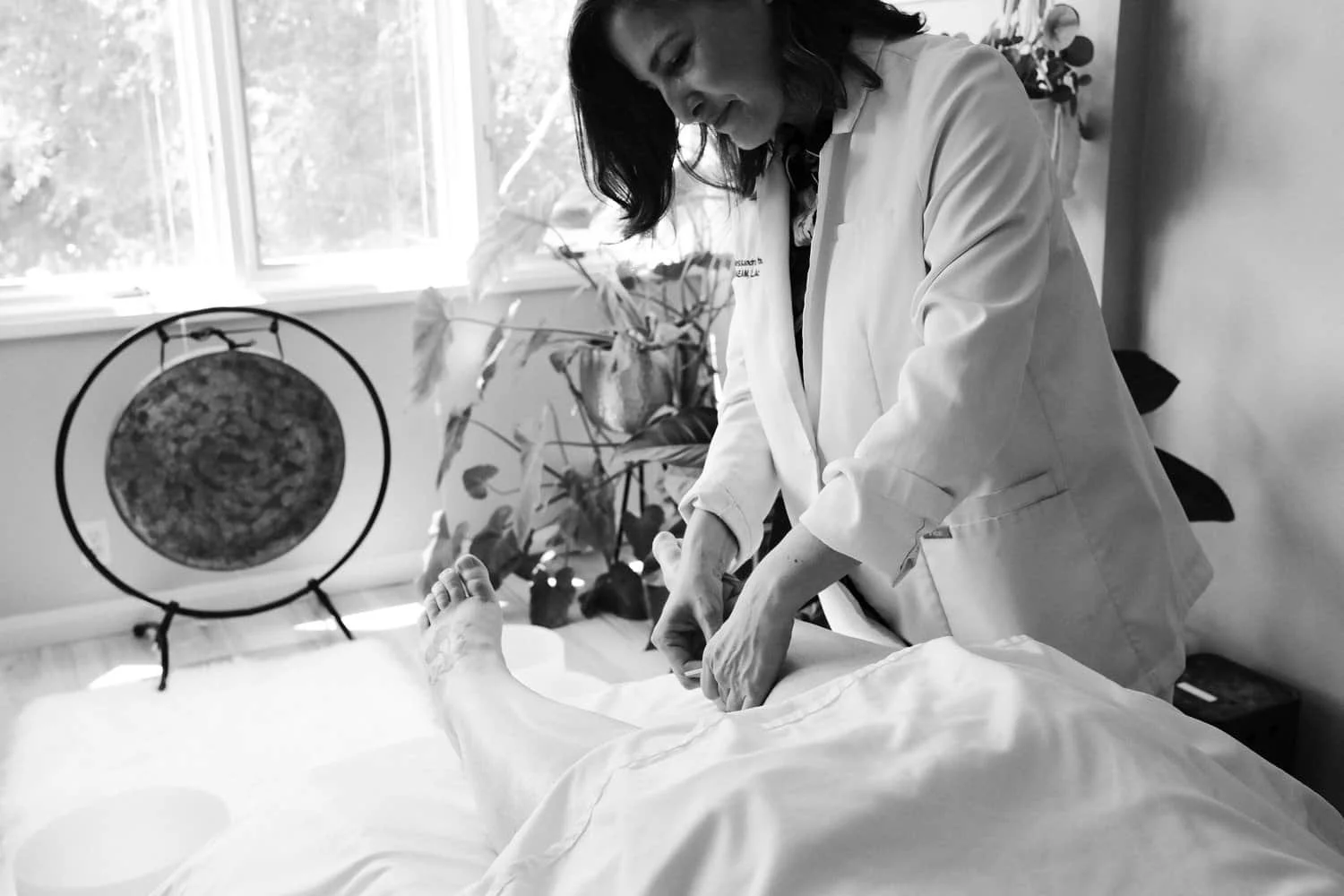
How Many Acupuncture Treatments Does it Take to Ease the Pain of Headaches & Migraines?
At Retreatment Wellness, our patients typically see improvement after the first treatment. And the improvements get better & better over time.
For acute headache or migraine symptoms, I recommend 2–3 acupuncture treatments during the first week. Acute presentations may include experiencing multiple headaches or migraines in a single week, particularly when symptoms interfere with your ability to work, sleep, or enjoy everyday life.
The initial goal is to see a 20–40% improvement during the first week of care, measured by meaningful changes in the frequency, severity, or duration of your headaches or migraines. Treatment frequency can then be adjusted based on how your body responds.
Retreatment Wellness offers special package pricing for those requiring multiple treatments per week. Please inquire.
For maintenance, prevention or chronic conditions, then a series of 6-10 weekly treatments is recommended. After a series of 6 - 10 weekly treatments, patients taper down to bi-monthly treatments for 3 - 6 months. And then monthly or as-needed treatments.
In addition to improvements in Headache & Migraine Pain, patients also experience benefits related to sleep, mood, digestion, hormone balance and athletic performance!
Does Acupuncture Help the Side Effects of Headaches & Migraines?

Migraines and chronic headaches can affect far more than your head. Nausea, light and sound sensitivity, neck and shoulder tension, fatigue and brain fog can interfere with work, family & social connections, exercise, sleep and everyday life. Frequent migraines can mean missed work, cancelled plans and days spent simply trying to get through the pain.
Research suggests acupuncture can reduce migraine frequency and migraine days by helping regulate: neurological pain-processing pathways, neurological sensory-processing pathways, hormone regulating pathways, and relieve muscular tension.
At Retreatment Wellness your whole health is assessed and the ROOT cause of your condition is diagnosed. Treatment may target a number of underlying causes like: stress, sleep problems, hormonal changes, imbalance of the gut-brain axis, and neck / shoulder tension.
The goal is simple: fewer headache days, less disruption, and more days when you feel like yourself.
Why Choose Retreatment Wellness for Headache & Migraine Relief in Salt Lake City?

When headaches or migraines are interfering with your life, you want more than a few needles and a standard protocol. At Retreatment Wellness, headache and migraine care is highly individualized and designed to address both your symptoms and the patterns that may be contributing to them.
Doctoral-Level, One-on-One Care
Retreatment Wellness is led by Dr. Alessandra Young, Doctor of Acupuncture & East Asian Medicine and National Board Certified Acupuncturist. Every treatment begins with a thoughtful assessment of your symptoms, health history and individual presentation.
This is a boutique practice—not a high-volume acupuncture clinic. Your appointment is dedicated to you, allowing time to listen, evaluate your progress and adapt treatment as your symptoms change.
More Than Acupuncture Alone
Migraine and headache treatment may combine classical acupuncture with orthopedic acupuncture, electrical stimulation, fire cupping, gua sha, Tui Na or Shiatsu massage, low-level laser, moxibustion, herbal medicine, nutritional guidance and relaxation therapies, depending upon what is appropriate for you.
There are no unnecessary add-on charges for these therapeutic modalities. The goal is to choose the tools most likely to support your progress and to give you everything you need to get better, faster!
Treat the Headache—and the Person Having It
Headaches rarely exist in isolation. Sleep, stress, muscle tension, hormonal fluctuations, digestion and nervous-system regulation can all be relevant to the way an individual experiences headaches.
Traditional East Asian Medicine provides a whole-body framework that allows treatment to consider these patterns rather than focusing exclusively on where it hurts.
A Treatment Designed to Calm Your Nervous System
Retreatment Wellness was intentionally created to feel different from a typical medical office. Treatments take place in a peaceful, private setting where patients can genuinely rest.
For people whose headaches accompany stress, poor sleep or chronic tension, acupuncture can also be paired with the signature Acupuncture + Sound Bath experience for an especially restorative treatment.
And Most Importantly: Patients Report Results
Reviews tell the story best.
Patients consistently describe their care at Retreatment Wellness as attentive, compassionate, knowledgeable and highly personalized. One recent patient seeking headache relief reported that her headaches had significantly improved and that she was feeling better than she had in years.
Others describe feeling listened to rather than rushed and appreciate the combination of clinical knowledge, intuition and whole-person care.
If you're looking for acupuncture for migraines or chronic headaches in Salt Lake City, Retreatment Wellness offers something intentionally different: expert acupuncture, individualized treatment and the time and space to truly care for the whole person.