
Acupuncture for Back Pain & Sciatica in Salt Lake City
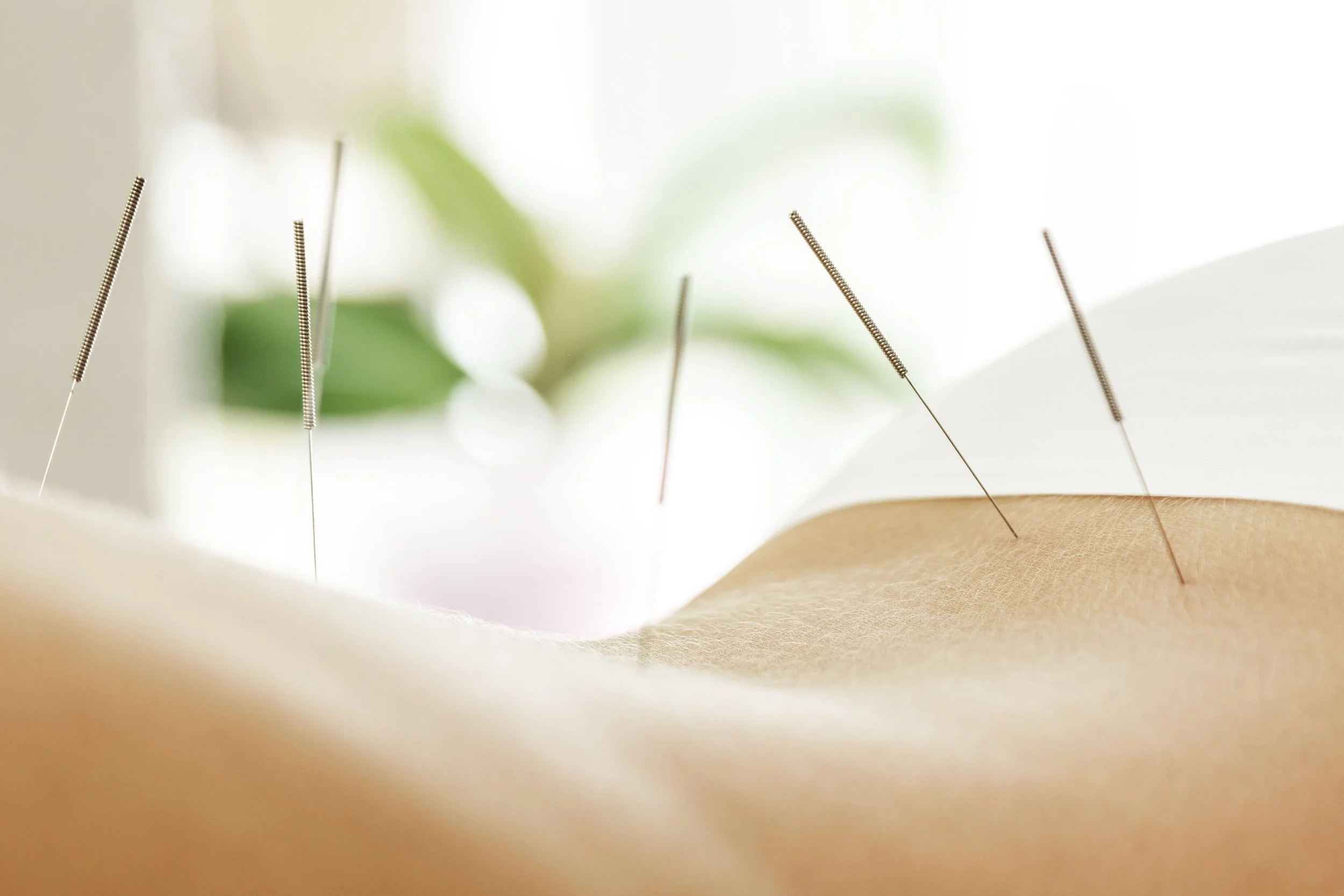
Back pain and sciatica can affect how you sit, stand, sleep, work, exercise, and move through everyday life. At Retreatment Wellness in Millcreek, every patient receives personalized acupuncture for lower-back pain, upper- and mid-back tension, spine stiffness, muscle spasms, and nerve pain that travels into the hip, buttock, arms or legs. Treatments are tailored to your symptoms, health history, movement patterns, and goals in a calm and supportive environment.
Treatments may include Acupuncture, Electric-Stimulation Acupuncture, Fire Cupping, Scraping / Gua Sha / Graston, Low Level Laser, Shiatsu or Tui Na, and Topical Healing Salves.
Everything you need to heal is included - there are no add-on charges.
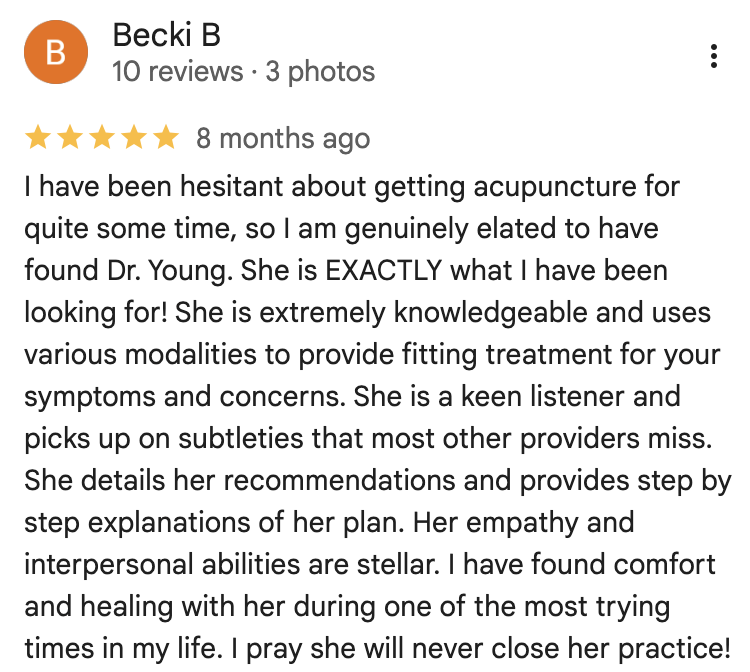
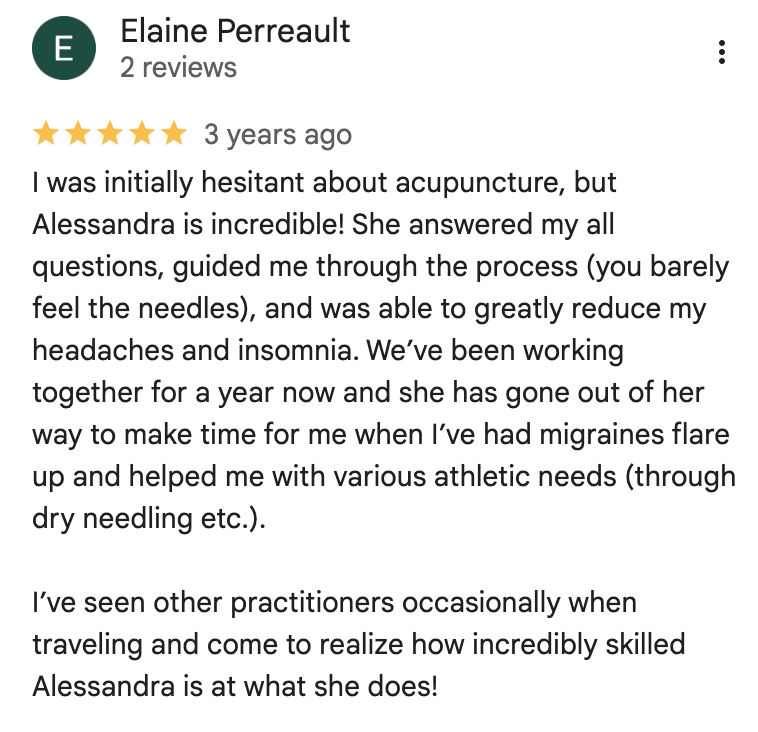
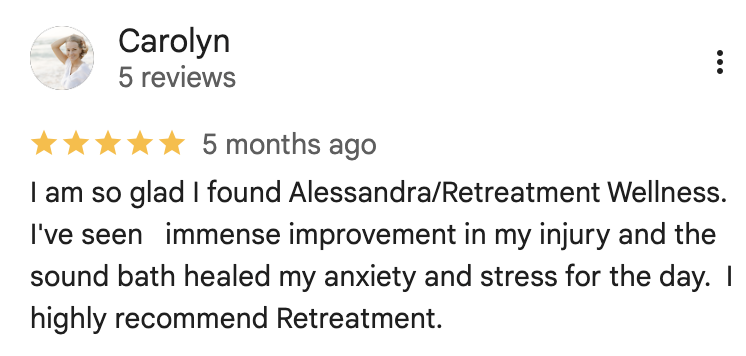
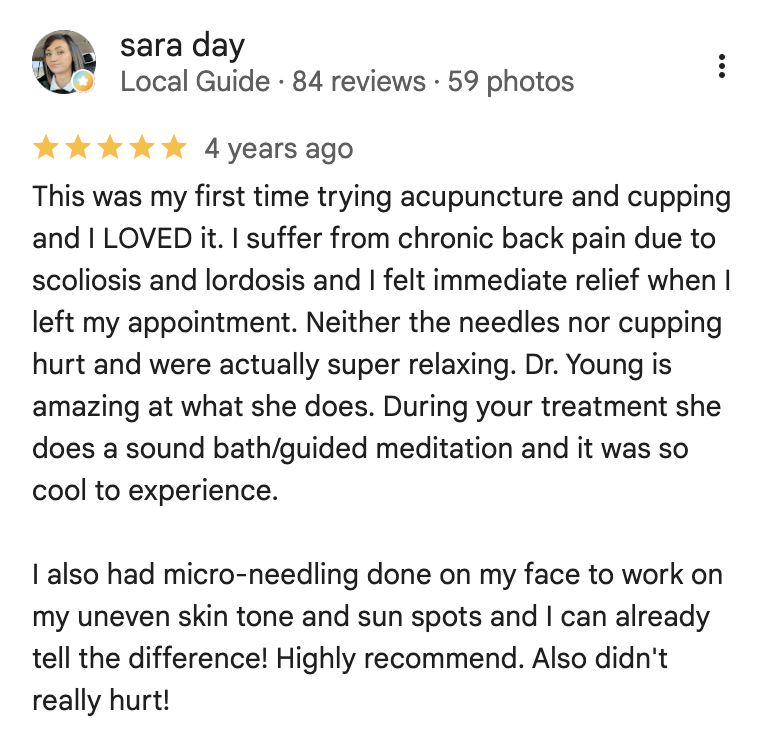
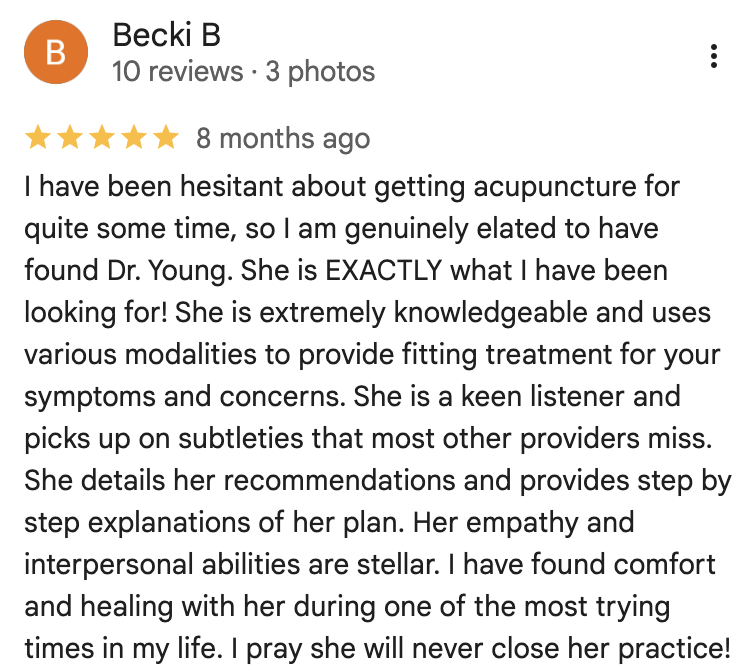
Endorsements of Proven Performance & Exceptional Patient Experience
Understanding Back Pain and Sciatica
Back pain can develop suddenly after an injury or gradually through repetitive movement, prolonged sitting, physical activity, muscle imbalance, or changes in how the body moves and compensates. Symptoms may remain concentrated in the back or extend into nearby areas, affecting comfort, mobility, sleep, and confidence in everyday movement.
Back Pain May Include
Aching or persistent soreness
Sharp, Dull or stabbing pain
Muscle tension or spasms
Stiffness after sitting or sleeping
Restricted or uncomfortable movement
Pain while bending, lifting, or twisting
Discomfort during work or exercise
Pain that improves or worsens with certain positions
Sciatica May Include
Pain beginning in the lower back or buttock
Pain traveling into the hip or leg
Burning, shooting, or electric sensations
Tingling or numbness along the leg
Discomfort while sitting or standing
Symptoms aggravated by certain movements
Leg heaviness or weakness
Difficulty finding a comfortable sleeping position

What to Expect with A Course of Acupuncture Treatments for Back Pain and Sciatica:
Acupuncture uses thin, sterile needles to stimulate carefully selected areas of the body. These signals interact with sensory nerves and pain-processing pathways involved in how discomfort is perceived and regulated. Research suggests that acupuncture may also influence muscle tension, local circulation, and physiological processes associated with the body’s natural pain response.
At Retreatment Wellness, treatment is based on more than the location of your pain. Your acupuncturist considers how the discomfort began, what movements or positions affect it, whether symptoms travel into another area, and how the condition influences your sleep, work, exercise, and daily activities. This allows each treatment to reflect your individual pattern instead of following an identical protocol for every patient.
Twice weekly treatments for 4 weeks typically result in a full resolution of sciatic symptoms. Depending upon the root pattern of your back pain, a course of treatment may be 1-2x weekly for up to 6 weeks. Improvements are often felt after the first treatment. Most patients experience a full resolution of symptoms and are then put on a schedule of maintenance that can be 1x monthly or less.
If noticeable and measurable signs of improvement are not realized after the 3rd treatment; then, this typically indicates a more serious condition that requires a referral to a specialist for further assessment and to discover best practices for healing. In this case, you will be provided with a clinical evaluation to help guide an integrative and coordinated approach to your care.
How Acupuncture for Back Pain & Sciatica Differs from Dry Needling
At Retreatment Wellness, we use a combination of orthopedic needling and distal acupuncture. Distal acupuncture is placing needles at points away from the area of pain, such as the hands, lower legs, or feet, to address back pain and sciatica. In Traditional Chinese Medicine, these points connect to the back through the body’s meridians, the channels through which qi, or vital energy, flows. Researchers have also begun exploring how the body’s continuous web of fascia, along with the piezoelectric properties of connective tissue (its ability to generate small electrical signals when stretched or compressed), may help explain how stimulating one area can influence another. Because this approach treats the body as an interconnected whole, relief can often begin without needling directly into tender or inflamed tissue.
Acupuncture is a complete system of medicine. It addresses the painful area while also looking at how that area connects to the rest of the body. Traditional Chinese medicine describes these connections as meridians, pathways that link distant parts of the body into one network. Modern research is exploring what may underlie these pathways. A 2002 anatomical study found that about 80% of the acupuncture points examined lined up with connective tissue planes between and within muscles. Researchers are also studying how needling may influence nervous system signaling, and how collagen, which has piezoelectric properties, may respond to mechanical stimulation.
This is different from dry needling, which typically focuses on inserting needles directly into tight or painful trigger points within a muscle. Dry needling targets the local site of tension. Acupuncture also looks at how the whole body moves, compensates, and communicates, so it addresses both the area of discomfort and the patterns that contribute to it.
Dry needling is a focused technique. It targets trigger points and motor points in specific muscles to release local tension, and it can be a useful tool for that purpose.
Orthopedic Acupuncture
Based on Traditional Chinese Medicine plus Western orthopedic assessment
Treats the area of pain and the whole-body patterns behind it
Needles local muscles and tendons, plus distal and meridian points
Assesses posture, movement, and muscle function, with TCM diagnosis
Supports pain relief, mobility, circulation, sleep, and stress
Performed by licensed, board-certified acupuncturists with over 650 hours of supervised clinical training
Dry Needling
Based on Western anatomy and trigger-point theory
Treats the tight or painful muscle itself
Needles trigger points at or near the site of pain
Uses a musculoskeletal exam
Focuses on releasing muscle tension and local pain
Usually performed by physical therapists or chiropractors with short-course certification
Muscle Tension, Myofascial Pain and Restricted Movement
Back pain often involves more than one sensitive location. Tight muscles and myofascial areas can contribute to aching, stiffness, limited movement, and pain felt in nearby parts of the body. Other muscles may also begin compensating when movement becomes uncomfortable. And this is why Acupuncture works better than dry needling. While dry needling targets specific motor points in muscles, Acupuncture is a holistic medicine that understands the network of pizeoele tric and and synaptic connections as “meridians” and the network
Supporting Muscle Relaxation and Mobility
Acupuncture may help calm pain sensitivity and release patterns of protective muscle tension. Treatment can address both the area where you feel pain and related muscles that may be influencing posture, movement, or physical comfort.
Returning to Everyday Activity
Whether your goal is sitting comfortably at work, sleeping more easily, returning to exercise, or moving through daily responsibilities with greater confidence, your treatment plan can be adapted around the activities that matter to you.
Back Pain From Sports, Exercise and Active Lifestyles
Back pain can interfere with training, skiing, snowboarding, hiking, strength work, recreational activity, and everyday movement. Symptoms may follow a specific injury or develop gradually through repeated loading, muscle fatigue, limited mobility, or compensating for another area of discomfort.
Acupuncture, Fire Cupping, Tui Na Massage and Electrical Stimulation Acupuncture can be incorporated into a recovery plan to address pain, muscle tension, soreness, and restricted movement. Care is personalized around the physical demands placed on your body and your goals for returning to activity.
Frequently Asked Questions About Back Pain and Sciatica Acupuncture
-
Acupuncture can be personalized for sciatica symptoms that begin in the lower back or buttock and travel into the hip, thigh, calf, or foot. Treatment may focus on regulating pain signals, calming surrounding muscle tension, and supporting more comfortable movement. Your acupuncturist will consider where your symptoms begin, how far they travel, what they feel like, and which movements or positions make them better or worse.
-
Needle placement is personalized to your symptoms and does not necessarily involve only the area where you feel pain. Depending on your individual pattern, acupuncture points may be selected along the lower back, hips, legs, or other related areas of the body. Your acupuncturist will explain the treatment approach and make adjustments based on your comfort and response.
-
You do not always need an established diagnosis or recent imaging before scheduling an acupuncture appointment. During your consultation, your acupuncturist will ask about how your symptoms began, where they occur, whether they travel into the leg, and how they affect your movement and daily activities. If your symptoms suggest that additional medical evaluation or imaging may be helpful, acupuncture can be thoughtfully coordinated with the appropriate care.
-
Responses to acupuncture vary depending on the nature and duration of your symptoms. Some patients notice changes in pain, muscle tension, movement, sleep, or overall relaxation early in care, while longer-standing symptoms may benefit from a series of treatments. Your acupuncturist will monitor how your symptoms respond and adjust your treatment plan as your comfort and function change.
Take the Next Step Toward More Comfortable Movement
Whether you are experiencing lower-back pain, muscle tension, stiffness, sciatica, or discomfort that travels into the hip or leg, you deserve care that considers the full picture. Retreatment Wellness provides personalized acupuncture for back pain and sciatica in Millcreek for patients throughout Salt Lake City and the surrounding area.